September 1, 2026
Artificial turf offers property owners a consistent outdoor surface without the maintenance demands of natural grass. While the finished lawn may look simple, a quality installation involves careful planning and material selection. It also requires ground preparation, drainage considerations, precise cutting, and professional finishing. Understanding local artificial turf installation helps property owners know what to expect from consultation through completion.
Reviewing Your Property and Project Goals
Local artificial turf installation typically begins with an evaluation of the property. The team considers the area's size and shape, landscaping, soil, drainage, access, and intended use. These details help determine the appropriate turf and installation approach. They also prevent every lawn from being treated as though it has identical requirements.
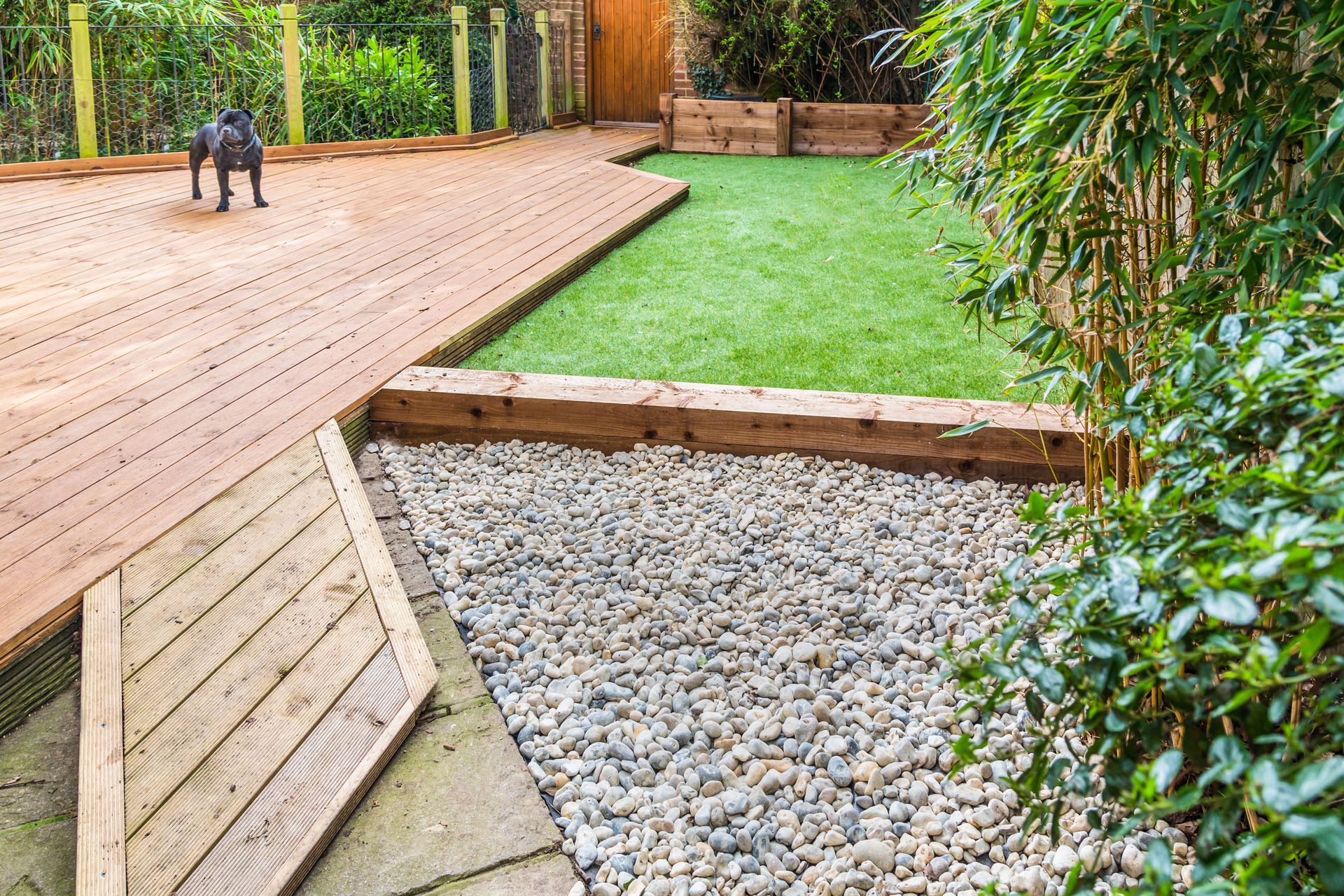
Property owners can discuss desired appearance and performance during this stage. A residential yard, pet area, play space, putting green, or commercial landscape can have different functional demands. Each application can call for different performance characteristics. A professional team can use those goals and site conditions to develop an appropriate plan. This gives the project a clear direction before installation begins.
Selecting Appropriate Turf Materials
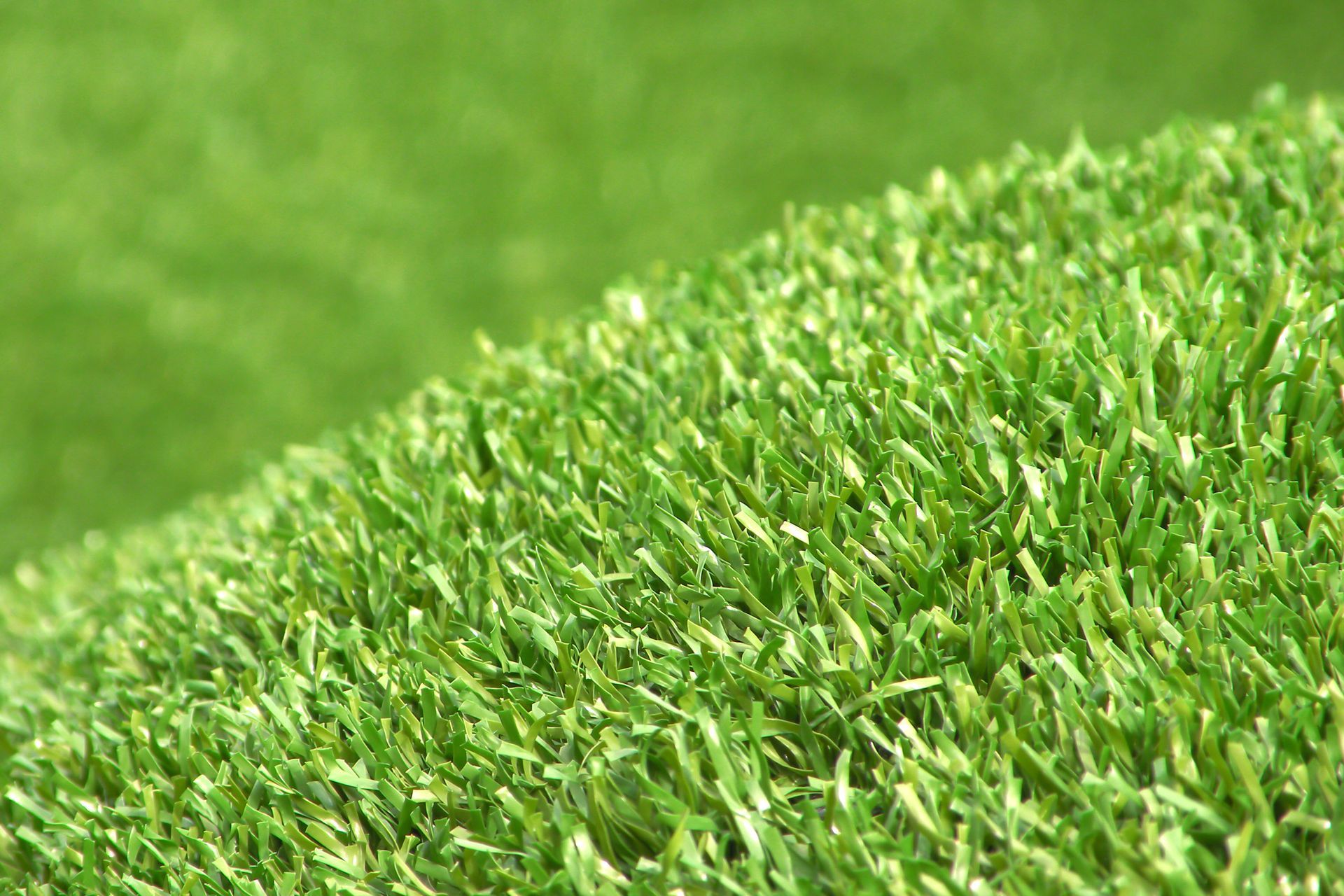
Artificial turf varies in construction, pile height, density, texture, and shade, making material selection important. During local artificial turf installation, professionals can compare options based on use and surrounding landscape. Factors such as foot traffic, pets, drainage needs, and desired appearance can influence which product is suitable. The selected material should support those expected conditions.
The material should complement the property and perform appropriately. Professionals can explain how different products respond to expected use. This guidance connects product characteristics with site demands. It also helps keep the selection aligned with the project.
Preparing the Existing Surface
Once the project plan and materials are established, the existing surface must be prepared. This phase can involve removing grass, vegetation, roots, and other materials that could interfere with the turf. The area is then shaped and prepared to support the new landscape. The crew checks the prepared area before proceeding. Proper preparation creates a more consistent foundation. It also supports later installation steps.
Ground preparation is one of the most important parts of local artificial turf installation because the finished surface reflects the condition beneath it. Uneven areas, poor grading, or inadequate preparation can affect the finished surface. Professional crews use appropriate equipment and methods to create a stable foundation. This creates a solid starting point before the turf is installed.
Establishing Proper Drainage and Base Support
Drainage and base construction are closely connected. An installation team evaluates water movement and prepares underlying layers for support and drainage. Depending on the site, this may involve grading the area. It can also include installing a compacted aggregate base designed to create a stable, permeable foundation.
A properly prepared base helps local artificial turf installation remain even while allowing water to move through the system. This is especially important for rainy, high-use, or pet areas. Rather than relying on the turf alone to determine performance, professional installers address the complete surface system beneath it. This approach supports consistent use across the finished area and helps account for the property's drainage characteristics.
Installing and Securing the Turf
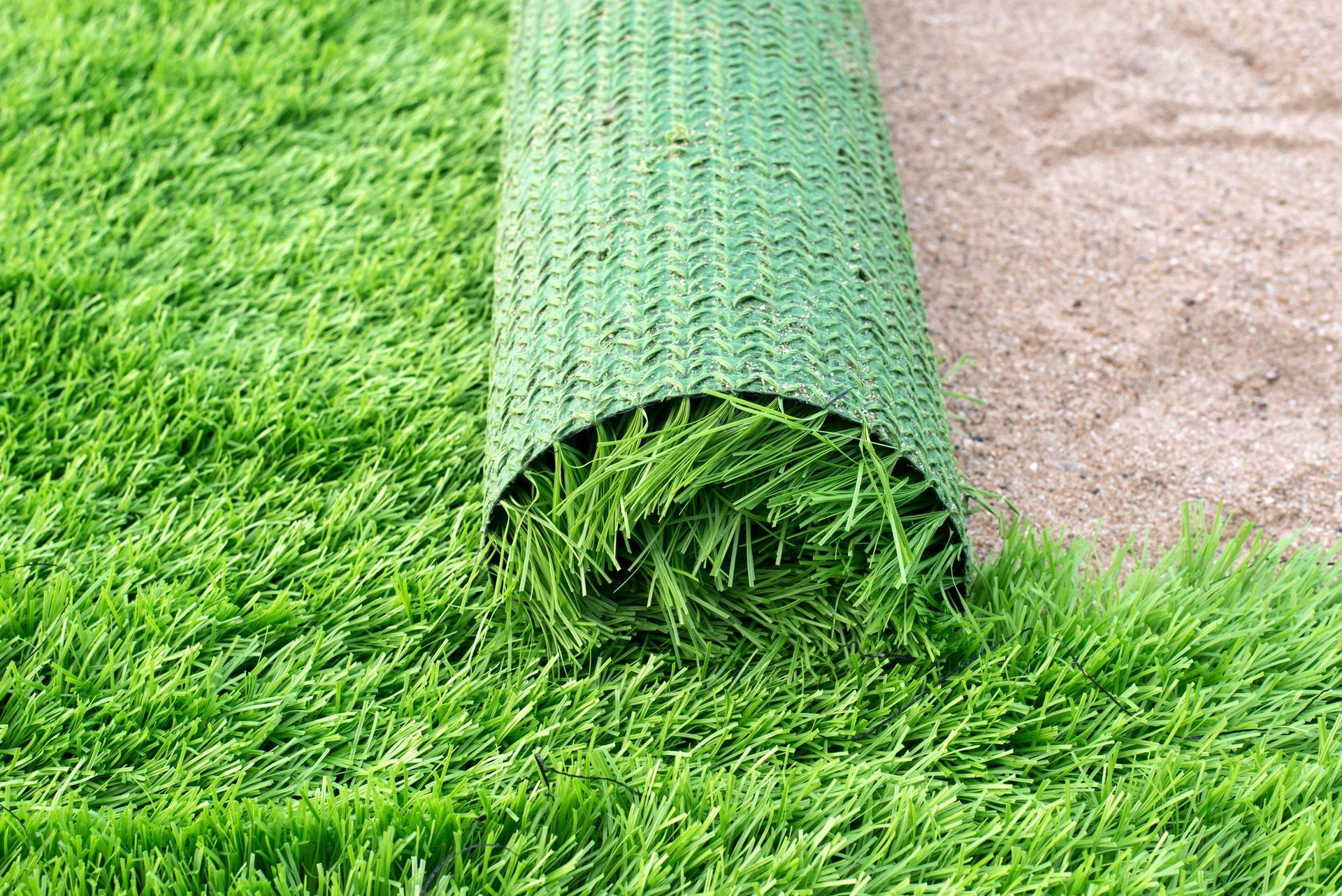
After the base is prepared, local artificial turf installation continues as the material is positioned over the area. Installers orient and cut the material so seams, edges, curves, and transitions fit the property's layout. Accurate placement matters because poorly aligned pieces can create visible inconsistencies. Careful fitting helps the finished landscape appear more cohesive.
The turf is then secured according to installation requirements, with seams joined and perimeter areas anchored appropriately. These connections help stabilize the surface. Professionals also check the finished seams for consistency. During local artificial turf installation, they align turf fibers so adjacent sections maintain a consistent appearance. Careful finishing helps the surface look cohesive.
Adding Infill and Finishing Details
Depending on the selected turf system, installers may add an appropriate infill material across the surface. Infill can support turf fibers, affect surface feel, and support performance. The specific material and amount used depend on the turf product. They also depend on the property's needs and intended use.
Crews also complete edges, seams, transitions, and surrounding areas. According to the Synthetic Turf Council, approximately 80% of tire crumbs are recycled into materials used to make artificial turf. This illustrates one way recycled materials can be incorporated into synthetic turf products. It also highlights broader material considerations within the industry.
Evaluating the Completed Surface
Local artificial turf installation does not end when the turf is placed. The crew reviews the surface for adjustments and confirms edges, seams, drainage, and coverage. The turf may also be groomed so the fibers stand appropriately. This helps the landscape present a consistent finished appearance.
This final review provides quality control. It gives installers an opportunity to address details that may not be apparent at first. The completed surface can then be reviewed as a whole. It marks the transition from construction to the completed outdoor space.
Understanding Ongoing Landscape Benefits
Artificial turf can provide year-round consistency. Unlike natural grass, synthetic turf does not require mowing to maintain a uniform height. Its appearance is also not dependent on the same cycles of growth and dormancy. It can define yards, recreational areas, pet spaces, and other applications.
Maintenance still exists, but it differs from traditional lawns. Professional installation can establish the foundation for easier routine care. It addresses grading, drainage, seams, edges, and turf placement from the beginning. Properly selected and installed systems can suit the property's intended use.
Planning Your Installation With Professionals
Choosing professionals for local artificial turf installation can organize the project from start to finish. A professional crew can coordinate site evaluation, turf selection, and surface preparation. The crew can then manage base construction, installation, and final inspection as one process. This approach addresses installation details rather than treating turf as a simple covering.
Local artificial turf installation is site-specific. Soil, drainage, dimensions, and intended use can all influence the installation process. Surrounding landscaping and selected turf materials can affect the approach as well. Professionals can coordinate those variables to produce a landscape that fits the space.
Choosing the Right Installation Approach
A successful turf project begins with realistic expectations. From the initial site assessment to final grooming, each stage contributes to the finished surface. Appearance, stability, drainage, and usability all depend on the work completed throughout the process. Local artificial turf installation professionals can manage these stages and help select suitable materials and methods.
For property owners considering an updated outdoor surface, local artificial turf installation can provide a consistent process tailored to the property. Careful preparation and attention to installation details turn artificial turf materials into a functional landscape system. Those details support the finished surface over time. Planning and professional support can create an attractive outdoor environment suited to its use.
At Legacy Turf and Greens, we provide artificial turf solutions designed around each property. Our team can evaluate your landscape and discuss your goals. We can identify appropriate turf options and manage the installation process from preparation through final inspection. We focus on careful workmanship and planning for outdoor spaces that fit each property.
If you are considering
local artificial turf installation, we can explain the process and discuss an approach for your landscape. Our team can answer questions and review your project needs. We can also guide you through the next steps. Contact Legacy Turf and Greens to begin planning your project with our team.